
CELEBRITY
Prince Harry’s latest claim that British parents used to drag their kids across the street to avoid limping, one-legged veterans because the ‘cultural mindset’ was that they’d come back from war with ‘something wrong with them’ is pure invention. It is a contemptuous insult to the public, to veterans, and to basic reality.

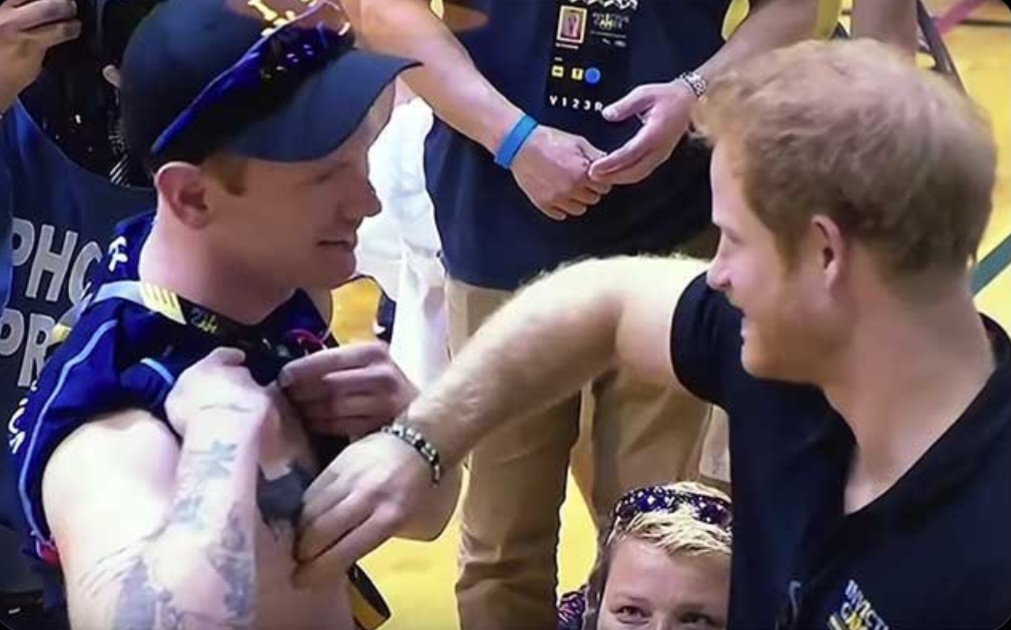
Prince Harry has sparked another heated debate following controversial remarks about how British society once viewed injured and disabled military veterans returning from war.
The Duke of Sussex, who has frequently spoken about the challenges faced by former service personnel, reportedly described a historical attitude in which parents would supposedly move their children away from veterans with visible disabilities, fearing that their children might encounter people who had returned from war with physical injuries.
His comments have attracted criticism, with some questioning whether such a sweeping description accurately represents Britain’s historical relationship with its veterans.
Questions Over Harry’s Historical Claims
Harry has long positioned veterans’ welfare as one of the central causes of his public work, particularly through his involvement with the Invictus Games, which celebrates wounded, injured and sick service personnel and veterans.
However, his latest comments have prompted disagreement over whether the historical picture he presented was sufficiently supported by evidence.
Critics argue that portraying an entire generation of British parents as deliberately steering their children away from disabled veterans risks reducing a complicated chapter of history to an exaggerated generalisation.
They also believe that the experiences of injured servicemen and women deserve to be discussed with historical accuracy rather than broad assumptions.
Veterans Deserve Respect and Accurate Representation
Britain’s military history includes countless examples of soldiers returning home with life-changing injuries. Their experiences varied considerably depending on the period, their communities, their circumstances and the support available to them.
Although disabled veterans have historically faced prejudice, social exclusion and difficulties accessing adequate support, it would be misleading to assume that every British community treated them in the same way.
Many veterans were welcomed home, celebrated for their service and supported by families, charities and local organisations. Others encountered significant challenges and discrimination.
Both realities deserve recognition.
The Invictus Games Remains Central to Harry’s Mission
Since establishing the Invictus Games in 2014, Prince Harry has consistently highlighted the importance of rehabilitation, recovery and recognition for wounded military personnel.
The international sporting competition has provided a platform for veterans to demonstrate their resilience and share their experiences with audiences around the world.
Harry’s commitment to this cause has earned recognition, although his public statements about military history and veterans’ treatment can still attract scrutiny.
Supporting injured veterans and challenging discrimination are important objectives. However, critics argue that those objectives should not come at the expense of historical accuracy.
A Debate That Goes Beyond Prince Harry
The controversy raises a wider question about how society remembers its military history.
Veterans who returned from previous conflicts experienced different forms of treatment, and their stories should be told with care and supported by credible historical evidence.
There is also an important distinction between acknowledging that prejudice existed and suggesting that an entire population shared the same negative attitude.
For many observers, the issue is not whether injured veterans experienced discrimination. It is whether Harry’s particular description accurately reflects the experiences of ordinary British families.
Ultimately, the conversation surrounding his remarks highlights the importance of respecting veterans while ensuring that historical claims are presented responsibly.
The men and women who served their country deserve recognition, dignity and an honest account of their experiences — not sweeping generalisations that risk overshadowing their individual stories.

OMG! how gorgeous do they look? 😍🔥The Prince and Princess of Wales have arrived at the Earthshot prize ceremony tonight and they are truly honoring the host country today and are wearing Indian craftsmanship in Mumbai Catherine is wearing a bold burgundy Anarkali while William is wearing a bespoke Bandghala❤️Who would have thought William and Catherine would have morphed into the perfect Bollywood couple? What a stunning couple they make.

Prince Harry ’caused so much damage’ that chances of ending war with William are ‘slim to none’.

The Princess of Wales is sporting the diamond and emerald tassel necklace belonging to Queen Elizabeth II with matching earrings.👀♥️🔥

The Prince and Princess of Wales are honoring Indian craftsmanship at tonight’s @EarthshotPrize in Mumbai. Kate’s handwoven vermilion silk georgette Anarkali is by Mahima Mahajan, William’s bespoke Bandghala with embroidered buttons is by Manish Malhotra, made in India.

Prince Harry’s latest claim that British parents used to drag their kids across the street to avoid limping, one-legged veterans because the ‘cultural mindset’ was that they’d come back from war with ‘something wrong with them’ is pure invention. It is a contemptuous insult to the public, to veterans, and to basic reality.

💔😭💔👀 SAD NEWS: KC Chiefs Coach Andy Reid Heartbroken After 45 Years of Marriage, Wife Tammy Reid Going Her Separate Way Over Three Major Reasons

JUST IN: The King, accompanied by The Duchess of Gloucester, recently attended a service at St. George’s Chapel in Windsor, for the dedication of the mosaic icon of the Christ of Cefalù.

Taylor Swift Appears Visibly Frustrated as Husband Travis Kelce Receives Medical Evaluation and Treatment Following Frightening Ankle Injury During Chiefs-Falcons Showdown

Fans Can’t Stop Talking About What They Saw on Travis Kelce’s Jersey Pants as an Ecstatic Taylor Swift Points at Her $1 Million Ring and Says, “That’s My Husband,” After Travis Scores a Touchdown for the Chiefs Against the Falcons…See Clips and What Fans are Zooming 👇

BREAKING: The NFL has officially announced new regulations to tighten access to the field following yet another instance where Taylor Swift disregarded protocol, rushing onto the turf to embrace Travis Kelce after the game between the Kansas City Chiefs and the falcons in the Mecedes Benz Stadium . This move is viewed as a direct response to the singer repeatedly breaking the rules.

Kylie Jenner shares hilarious reaction to viral clip of UK director with the same name after fans joked she’d ‘started working for ITV News’
